We use cookies to personalize your experience, track visits, and analyze traffic. Learn more.
November 20–22, 2026 (Online)
Psychedelic Lived Experiences Summit
Beyond the protocol: safety, real-world outcomes, and unmet needs after psychedelic treatment
What happens when a psychedelic protocol or study ends? This global virtual gathering unites patients, families, clinicians, researchers, and organizations across the field to examine emerging risks, support gaps, and how lived experience can shape safer, more responsive care.
In collaboration with leading partner organizations








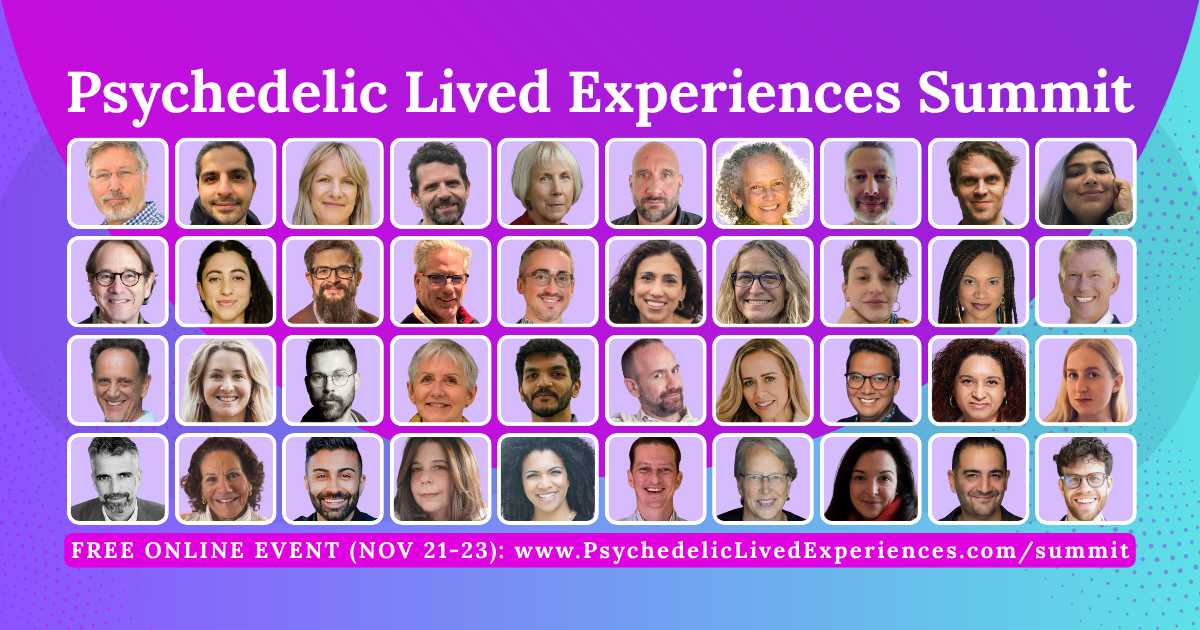
Building on a successful first year
Our inaugural Psychedelic Lived Experiences Summit reached more than 3,000 attendees from 74 countries.
In November 2025, we brought together more than 60 patients, clinicians, and researchers across 54 in-depth interviews and 12 live panels to explore the benefits, limitations, and real-world complexities of psychedelic treatment. By uniting lived experience with scientific and clinical perspectives, the summit created the foundation we're building on in 2026.

3
DAYS

50+
SPEAKERS

3K+
ATTENDEES
"The greatest resource we have for making progress in healthcare is the lived experience of those who are affected." – Dr. Lisa Sanders
Why a summit focused on lived experience?
Psychedelic treatments are often framed as breakthroughs, but real-world outcomes are far more complex, ranging from profound benefit to little change to lasting harm.
Clinical trials capture important measures, but lived experience reveals what those measures can miss: delayed risks, unexpected benefits and difficulties, everyday functioning, meaning, and the gap between protocol design and real life.
Yet as psychedelic research, care, and regulation evolve, the people who actually undergo these treatments still have too little influence over the decisions shaping them. This is not a conference about patients. It is built and led by them, bringing lived experience into direct dialogue with research, practice, and ethical oversight to ask better questions, expose blind spots, and improve the decisions shaping psychedelic care.
Our 2026 summit theme
Beyond the protocol
Psychedelic treatment does not end when the session or study does. Benefits, risks, and destabilization can emerge long after formal follow-up ends, often beyond what research and care systems capture.
In 2026, we focus on that gap: what happens next, what gets missed, and what better support, oversight, and accountability should look like.
Online | Nov 20-22, 2026
Can’t attend live? Registration includes all 2026 session recordings, plus the full 2025 archive of 54 interviews and 12 panels.
Invite your colleagues and friends
Share this event with your network and join together in shaping the future of patient-centered psychedelic care.



A multi-stakeholder gathering
Meaningful progress cannot come from one group talking to itself. The 2026 summit is designed to bring different forms of expertise into the same room. Different perspectives will not always agree. That is precisely why they need to meet.
Patients and trial participants
People with direct experience of psychedelic treatment, clinical trials, and their longer-term consequences.
Family members and caretakers
Spouses, friends, colleagues, and other family members or caretakers of patients and trial participants.
Therapists, clinicians, and nurses
Practitioners supporting preparation, treatment, integration, recovery, and longer-term care.
Researchers and trial teams
Professionals designing studies, measuring outcomes, managing safety, and generating the field's evidence.
Ethics, policy, and advocacy
Those examining accountability, participant protection, access, regulation, and systemic change.
Organizations and field builders
Groups developing the infrastructure, communities, standards, and services surrounding psychedelic care.
3 collaborative days
Less opinion sharing. More structured dialogue.
Each day features three facilitated 90-minute working roundtables followed by live synthesis discussions where invited contributors examine key questions through lived experience, research, clinical, and policy perspectives.
These discussions are designed to surface blind spots, identify priorities, and generate insights that can inform research, care, and future actions. Summit attendees will watch the process unfold live and contribute through questions and selected participation opportunities.
Live programming (Nov 20-22, 2026):
- 11:00 AM–6:00 PM EST
- 8:00 AM–3:00 PM PST
- 5:00 PM–12:00 AM CET
|
Daily schedule |
|---|
11:00 AM–12:30 PM ESTWorking roundtable 1 A focused 90-minute facilitated discussion bringing together lived experience and professional perspectives around one central question. |
12:30–1:00 PM ESTBreak / Q&A discussion |
1:00–2:30 PM ESTWorking roundtable 2 A second in-depth working session examining another dimension of the day's theme. |
2:30–3:00 PM ESTBreak / Q&A discussion |
3:00–4:30 PM ESTWorking roundtable 3 A third collaborative session designed to surface gaps, tensions, lessons, and possible directions forward. |
4:30–5:00 PM ESTBreak / Q&A discussion |
5:00–6:00 PM ESTDaily synthesis: insights, questions & recommendations Each day concludes by bringing key voices back together to identify what emerged across the day's conversations: What did we learn? What remains unresolved? What needs to happen next? |
What we'll explore
Explore how lived experience can inform safer, more ethical psychedelic care across MDMA, psilocybin, LSD, ketamine, 5-MeO-DMT, and ibogaine. The final program is being developed with invited contributors and partner organizations.
Topics under consideration include:
Post-protocol care: What happens to participants when structured support from treatment protocol or clinical research ends?
Ethics, accountability and oversight: Where do current safeguards work, where do they fail, and what needs to change?
Safety and emerging risk signals: What warning signs appear during the weeks and months following treatment, and which signals are currently missed?
Measuring what matters: Which outcomes should psychedelic research capture if we want to understand people's lives rather than only clinical endpoints?
Real-world outcomes: How do psychedelic experiences affect relationships, employment, identity, functioning, meaning, and quality of life beyond symptom scores?
Responsibility and continuity of care: What responsibilities do therapists, clinics, researchers, and institutions retain after the formal protocol ends?
Adverse events and challenging experiences: How should difficult outcomes be recognized, understood, documented, and responded to without sensationalizing or minimizing them?
Families, partners, and support networks: How are the people around psychedelic participants affected, and what role should they have in preparation and longer-term support?
Integration, stabilization, and longer-term recovery: What forms of peer or professional support are useful after intense or destabilizing psychedelic experiences, and where are the existing gaps?
Lived experience in research and decision-making: How can patient and participant knowledge become a meaningful input into study design, clinical practice, safety systems, and policy?
Turning lived experience into actionable insight
The 2026 summit is designed to create value beyond the livestream by documenting shared questions, synthesizing key insights, and identifying gaps, safety signals, research priorities, and areas for future collaboration.
These findings may inform reports, recommendations, guidelines, or other public resources, turning dialogue into something the field can use.
Online | Nov 20-22, 2026
Can’t attend live? Registration includes all 2026 session recordings, plus the full 2025 archive of 54 interviews and 12 panels.
2026 summit contributors
More presenters and experts will be announced over the next few weeks.
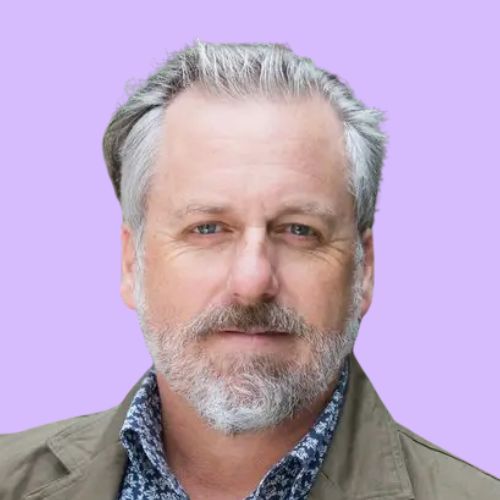
Andrew Penn, PMHNP
Family physician and therapeutic counsellor, investigator for Phase 3 MDMA-assisted therapy for PTSD trials (Canada)
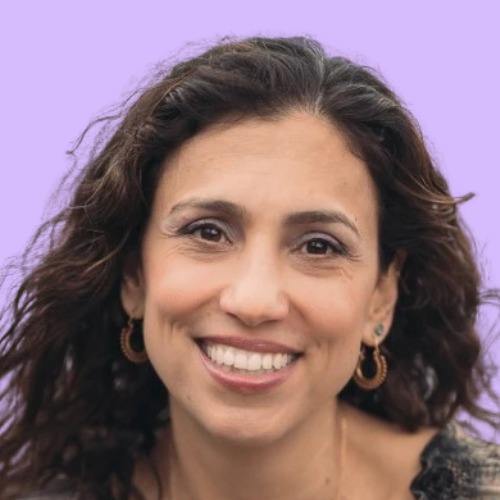
Leonie Schneider
Family physician and therapeutic counsellor, investigator for Phase 3 MDMA-assisted therapy for PTSD trials (Canada)
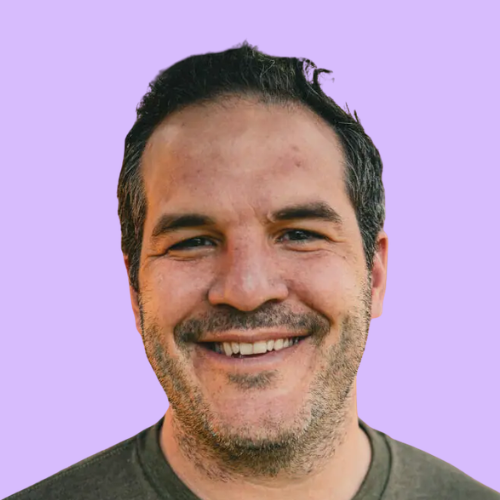
Jesse Gould
Family physician and therapeutic counsellor, investigator for Phase 3 MDMA-assisted therapy for PTSD trials (Canada)
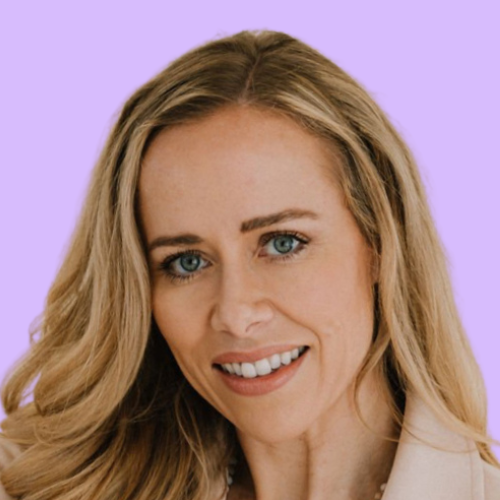
Devon Christie, MD
Family physician and therapeutic counsellor, investigator for Phase 3 MDMA-assisted therapy for PTSD trials (Canada)
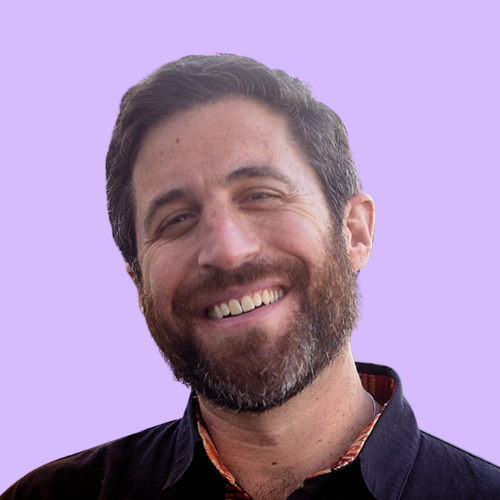
Joshua White
Family physician and therapeutic counsellor, investigator for Phase 3 MDMA-assisted therapy for PTSD trials (Canada)
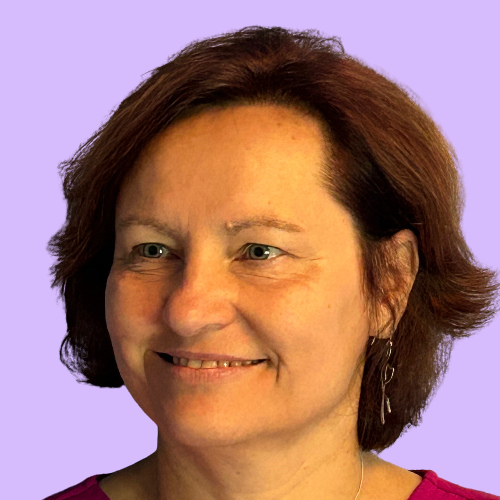
Jana Sladkova, PhD
Family physician and therapeutic counsellor, investigator for Phase 3 MDMA-assisted therapy for PTSD trials (Canada)
Tehseen Noorani, PhD
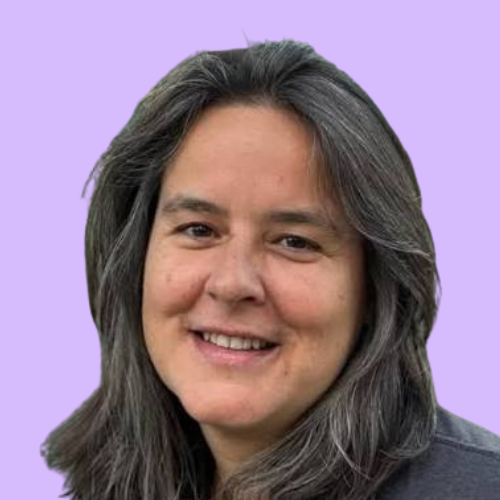
Bia Labate, PhD
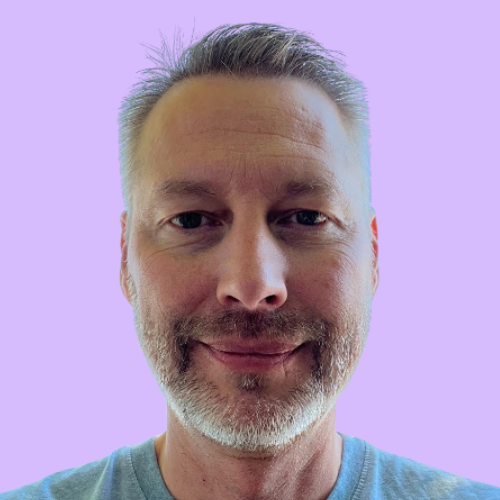
Brad Gagnon
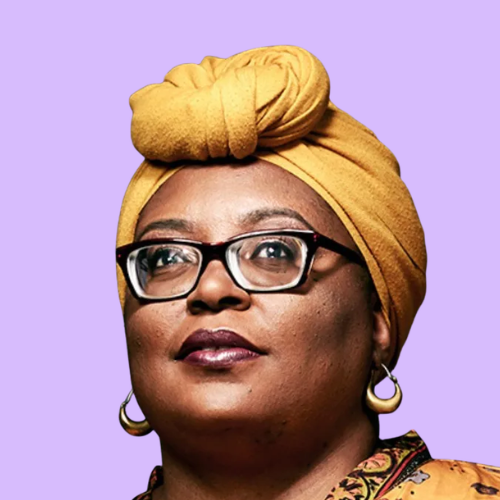
Hanifa Nayo Washington
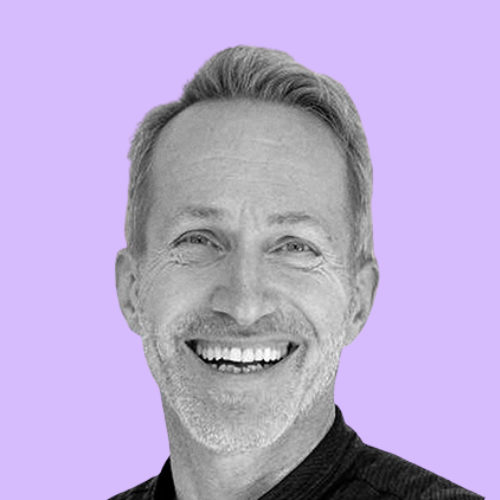
Henrik Jungaberle, PhD
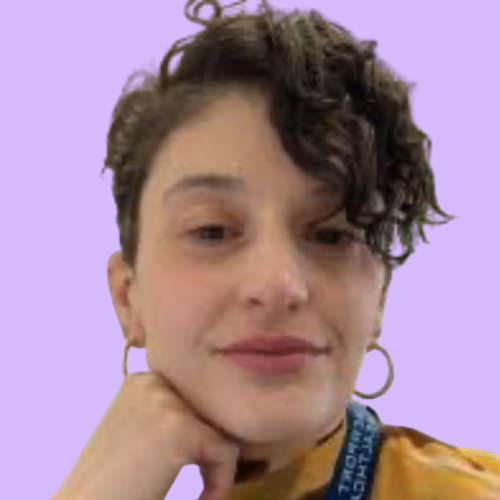
Becca Kacanda, MS
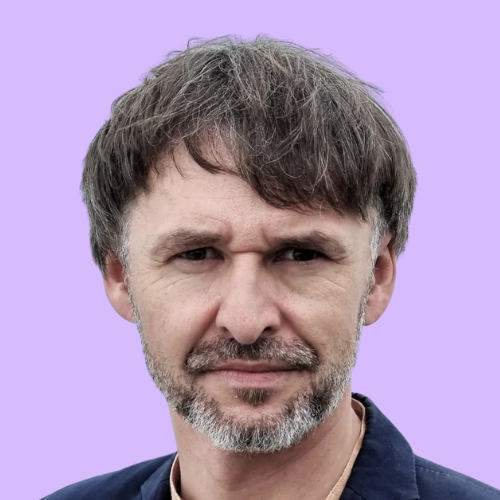
Tadeusz Hawrot
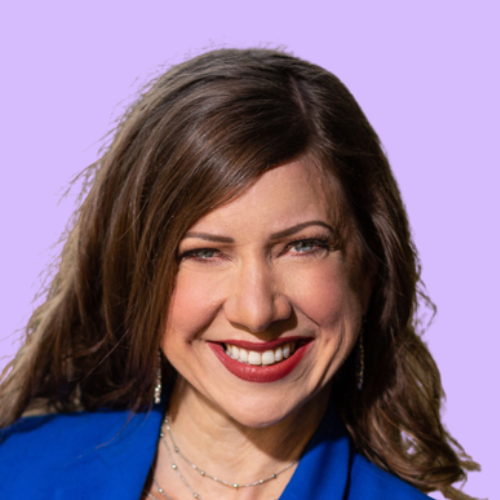
Lynn Marie Morski, MD
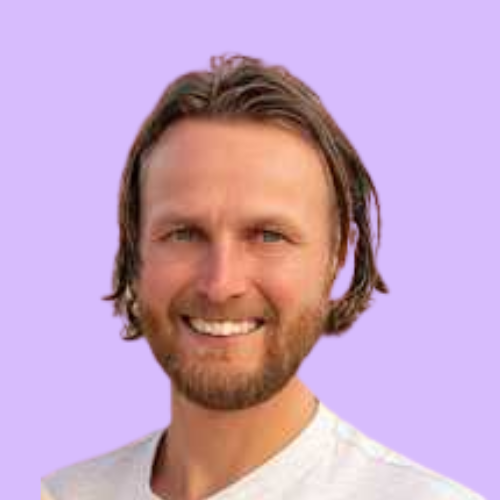
Steve Allgood
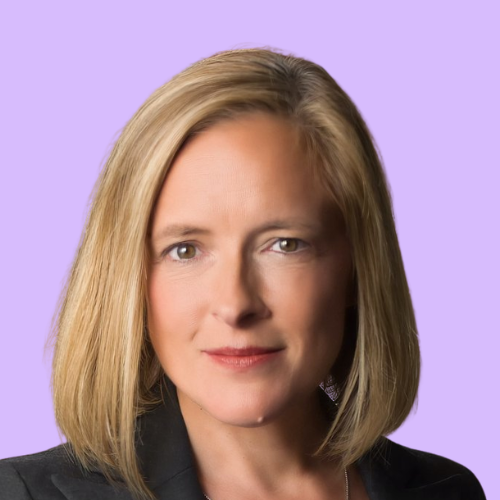
Taylor West
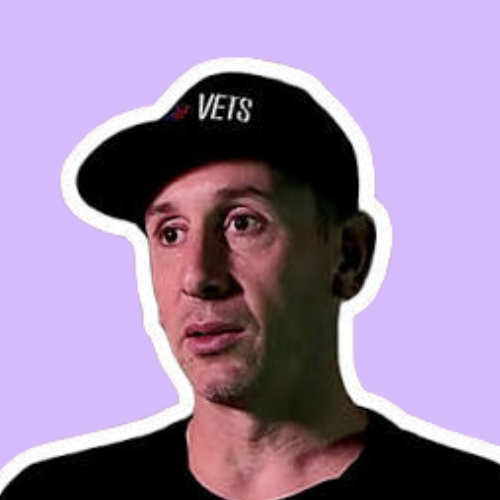
Ari Polivy
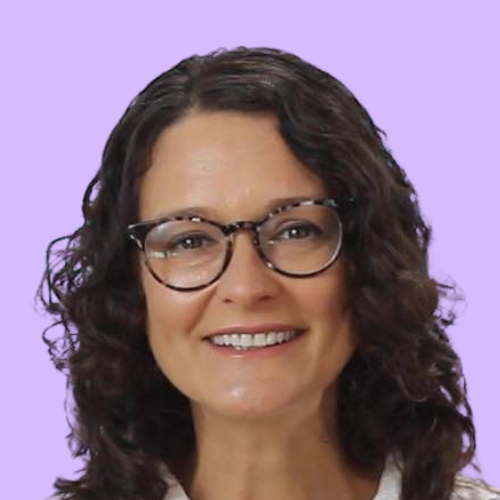
Allison Feduccia, PhD
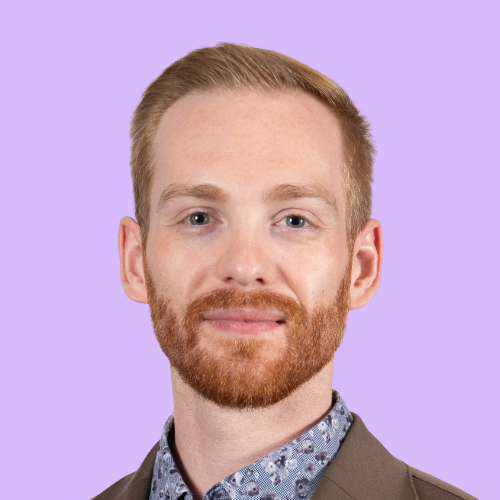
Jérémie Richard, PhD
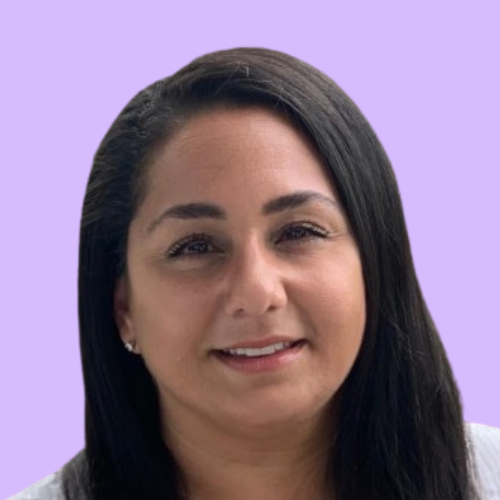
Melissa Lavasani
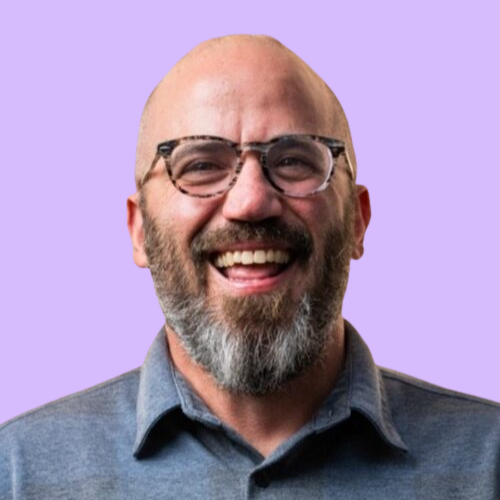
Jon Nelson
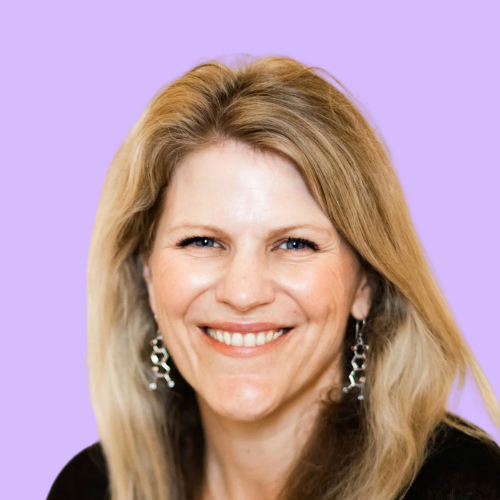
Chantelle Thomas, PhD

Spencer Hawkswell
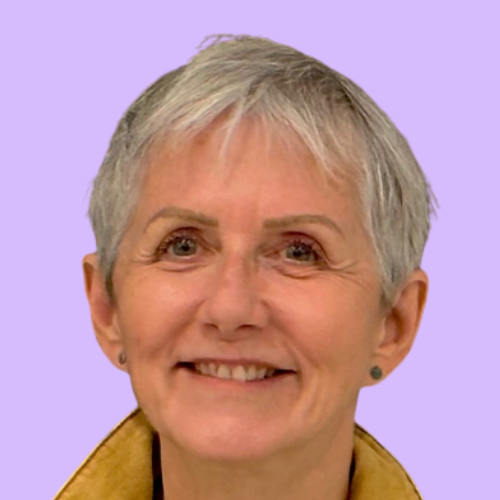
Florence Moureaux
Christopher Nicholas, PhD

Sehrish Sayani
Britton Rollins
Caroline Lilley
Joe Moore
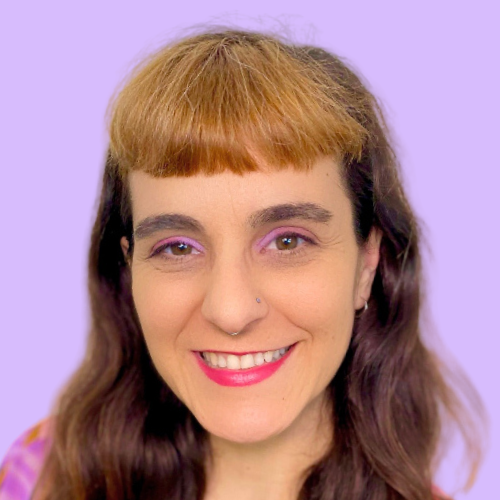
Ona Praderas
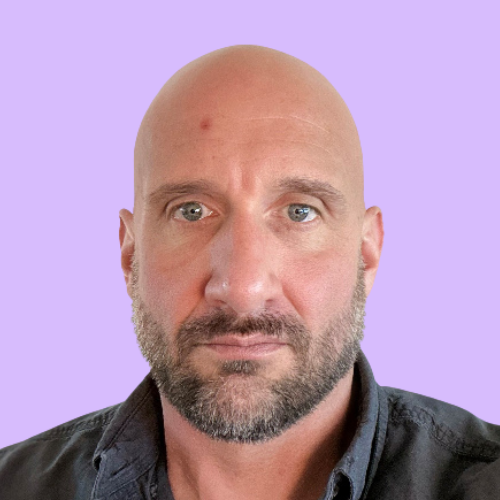
Daniel Friedrich

Madison Nobbs, RN
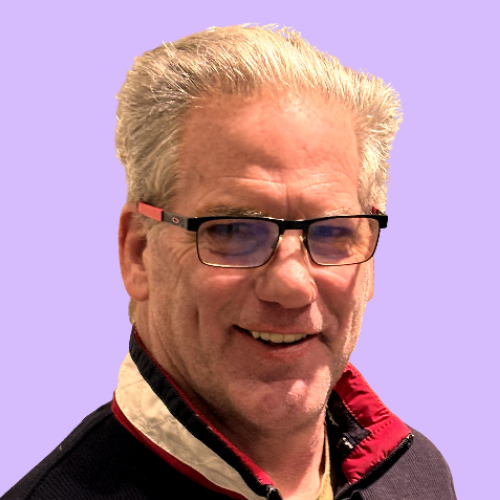
Ron Bowman
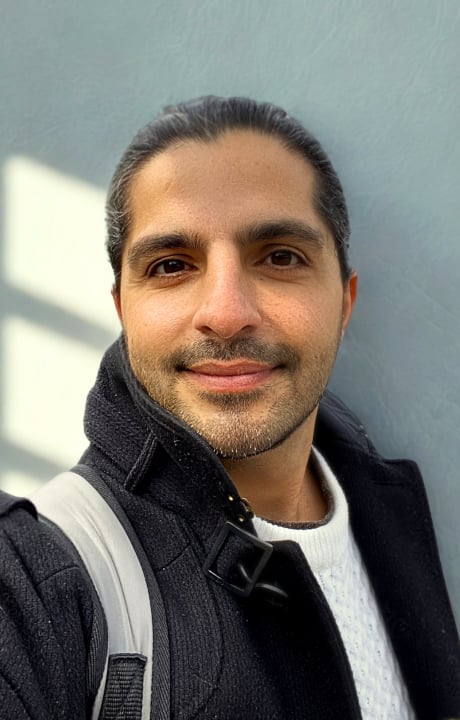
Meet your host
Hi, I'm Pedram Dara, a former MDMA-assisted therapy clinical trial participant and founder and director of the Psychedelic Lived Experiences, a patient-led initiative strengthening decision-making by bringing lived experience and clinical science together for safer, more ethical research, care, and policy.
Since 2019, I’ve advocated for patient safety and treatment efficacy, speaking at major forums such as the European Parliament and the FDA, and at leading conferences like Psychedelic Science, ICPR, and International Trauma Conference. My story and insights are featured in news, documentaries, training programs, and research publications.
I believe true progress in psychedelics care requires moving beyond hype and fear to embrace the depth, complexity, and wisdom of those who’ve lived it.
Join the 2026 summit
Online | Nov 20-22, 2026
11:00 AM–6:00 PM ET
8:00 AM–3:00 PM PT
5:00 PM–12:00 AM CET
Join patients, families, clinicians, researchers, advocates, and organizations from around the world to explore what happens when psychedelic treatment ends and real life continues. Together, we’ll examine what we know, what we’re missing, and what safer, more accountable care requires next.
Can’t attend live? Registration includes all 2026 session recordings, plus the full 2025 archive of 54 interviews and 12 panels.
Access 2025 summit archive
54 conversations. 12 live panels. One growing archive of lived and professional knowledge.
The 2025 archive features 54 conversations and 12 live panels with 27 patients and trial participants alongside 27 therapists and researchers, exploring benefits, challenges, safety, integration, ethics, research gaps, and the unique complexities of psychedelic treatment. 2026 access options will include the archive alongside this year’s new program.
2025 lived experience speakers
Former patients and trial participants in treatments with MDMA, Psilocybin, LSD, Ketamine, 5-MeO-DMT, Ibogaine and other psychoactive substances offer powerful insights to improve research design, therapist training, and future treatment outcomes.
Brad Gagnon
MDMA-assisted therapy for PTSD, special access program patient (Canada, 2024)
Becca Kacanda, MS
MDMA-assisted psychotherapy for PTSD, Phase 3 trial participant (active arm, U.S., 2021)
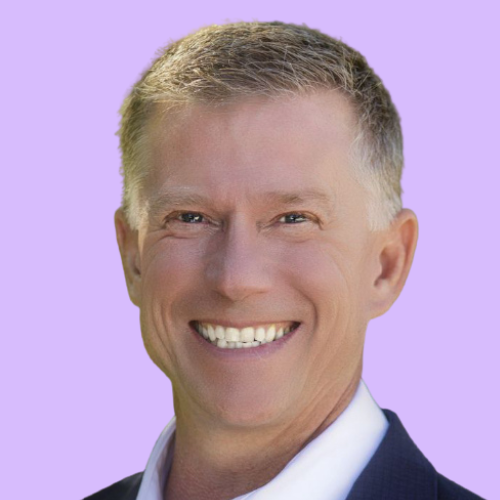
Mark Keller
Ibogaine & 5-MeO-DMT for PTSD, anxiety, & addiction, clinical treatment patient (Mexico/U.S. 2022-23)
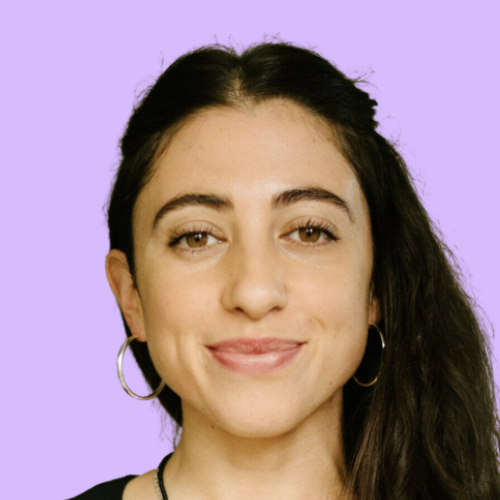
Juliana Mulligan, LMSW
Ibogaine for opioid dependency, clinical treatment patient & therapist (U.S. 2011)
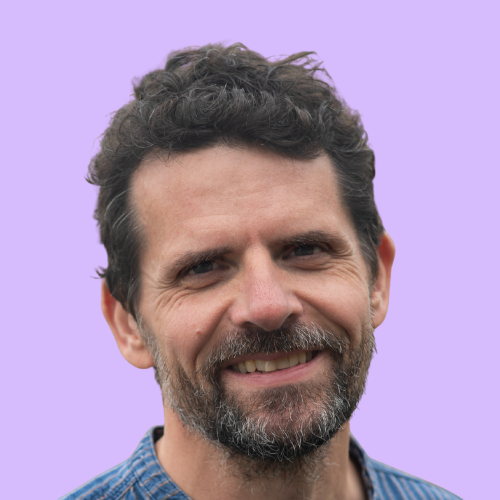
Ian Roullier
Psilocybin for depression pilot study and phase 2 clinical trials participant (UK, 2015 and 2019)
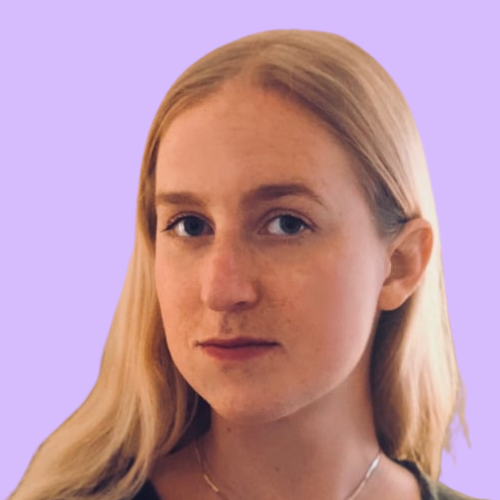
Maya Albert
Psilocybin-assisted therapy for anorexia nervosa, Phase 1 trial participant (open-label, U.S., 2021)
Daniel Friedrich
U.S. veteran, peer support and study facilitator for MDMA and psilocybin studies (U.S.)
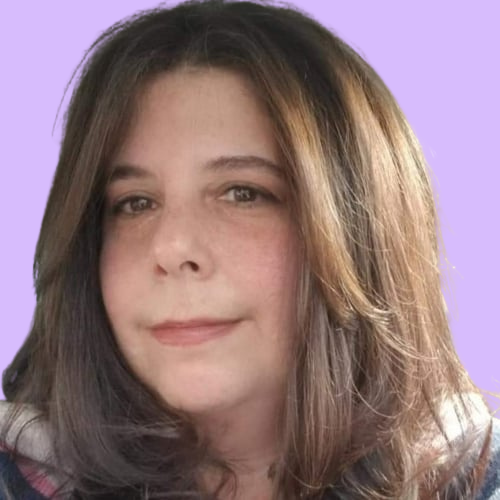
Kim Fluxgold
Psilocybin for treatment-resistant depression, clinical trial participant (open-label, Canada, 2022)
Jana Sladkova, PhD
Group ketamine therapy & SPRAVATO® (esketamine) for depression, treatment patient (U.S., 2025)
Leonie Schneider
Psilocybin and DMT for depression clinical trials participant (UK, 2019 and 2022)
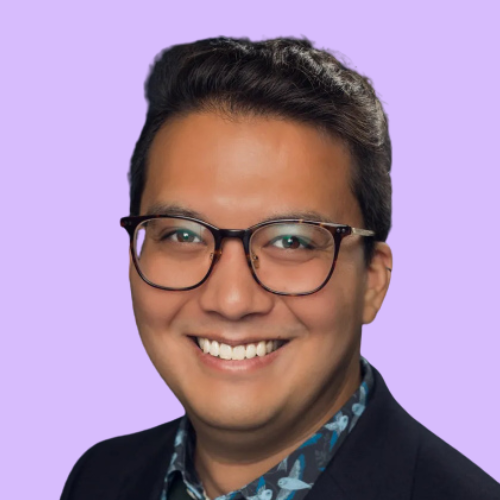
Ian Cook
Ketamine therapy for bipolar I, depression, and anxiety, clinical treatment patient (U.S., 2022)
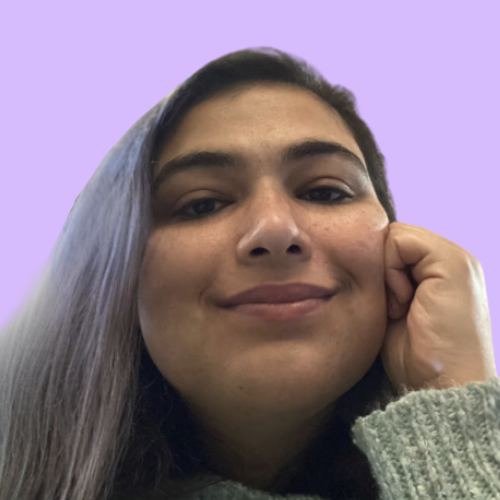
Maryam Jabir
Psilocybin for treatment-resistant depression, Phase 2 clinical trial participant (UK, 2021)
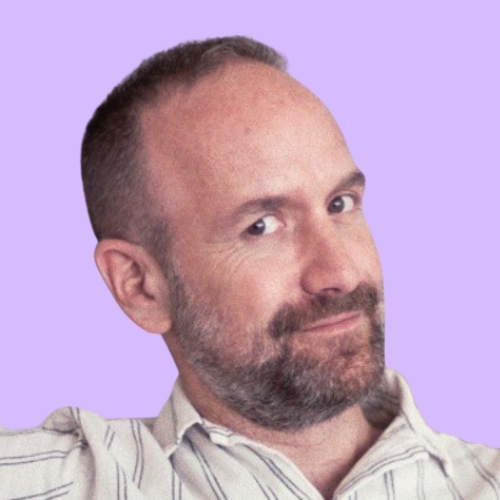
Andrea Siclari
LSD-assisted therapy for life-threatening illness, compassionate use patient (Switzerland, 2020)
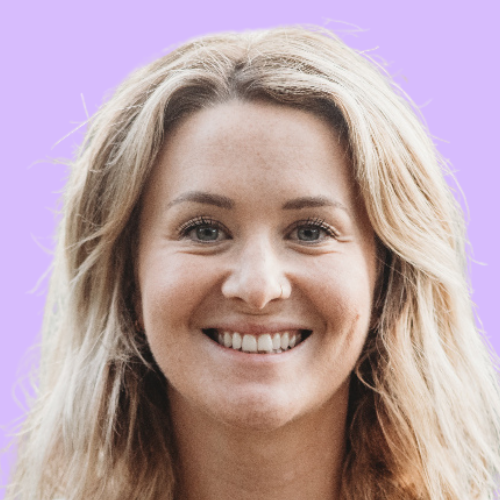
Lauren Macdonald, MD
Legal psilocybin retreat for terminal cancer participant, psychiatrist, trial doctor & therapist (UK, 2018)
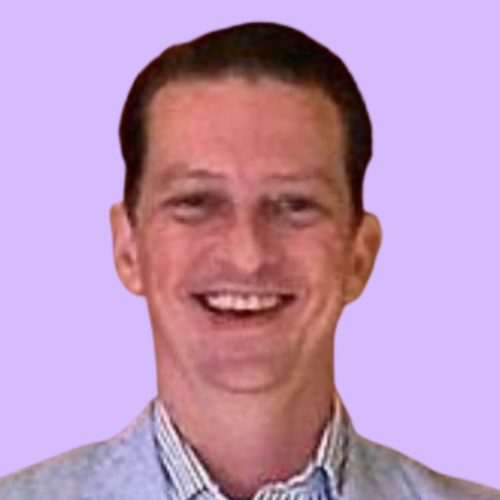
Cedric Codron
SPRAVATO® (esketamine) for depression, clinical treatment patient (Belgium, 2022)
Florence Moureaux
Psilocybin-assisted therapy for terminal cancer, special access program patient (Canada, 2021)
Sehrish Sayani
MDMA-assisted therapy for PTSD, Phase 3 trial participant (placebo then crossover, U.S., 2023)
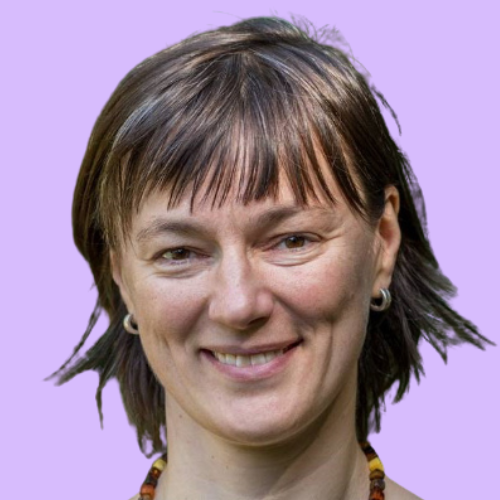
Janina Kowalski, MD
Ketamine, MDMA, LSD, and Psilocybin for experiential therapist training study (Switzerland, 2025)
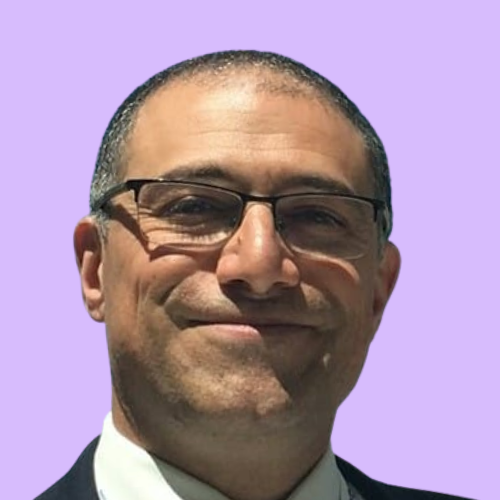
Sarko Gergerian
MDMA-assisted therapy in experiential training for a police officer-therapist (U.S., 2018)
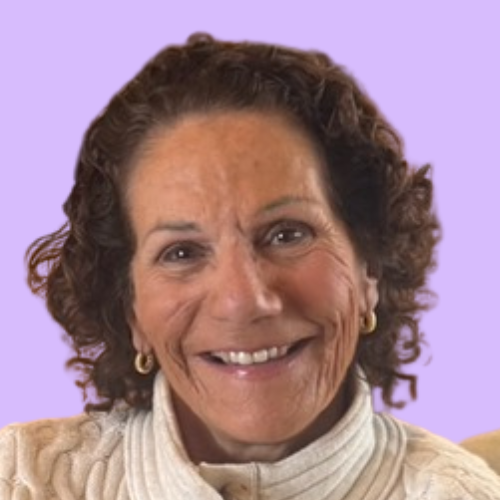
Kathy Neustadt
MDMA-assisted therapy for PTSD, Phase 3 trial participant (placebo only, U.S., 2021)
Ron Bowman
MDMA-assisted psychotherapy for PTSD, Phase 3 trial participant (active arm, U.S., 2020)
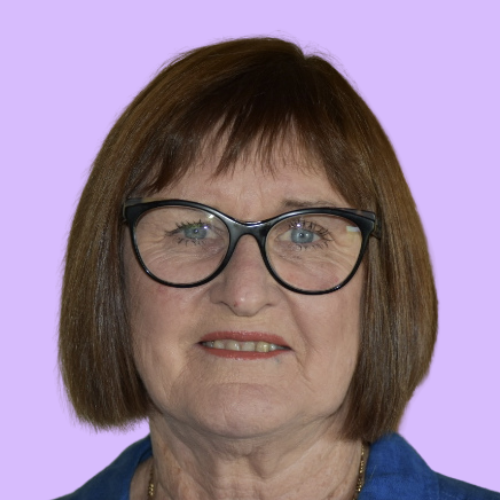
Leonie McCoy
Psilocybin-assisted therapy for generalized anxiety disorder, clinical trial participant (Australia, 2022)
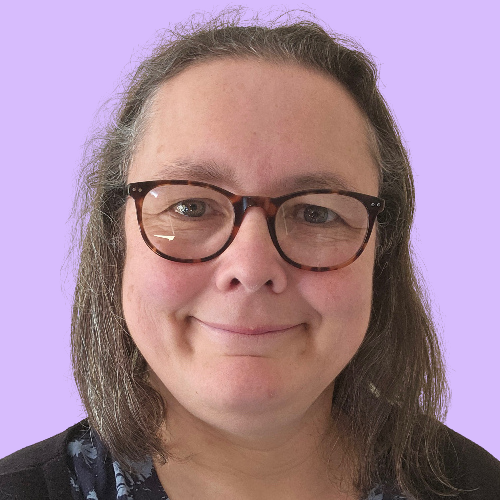
Kerrilee Barrett
Psychoactive substance for PTSD Phase 2 clinical trial participant (double blinded then open label, UK, 2024)
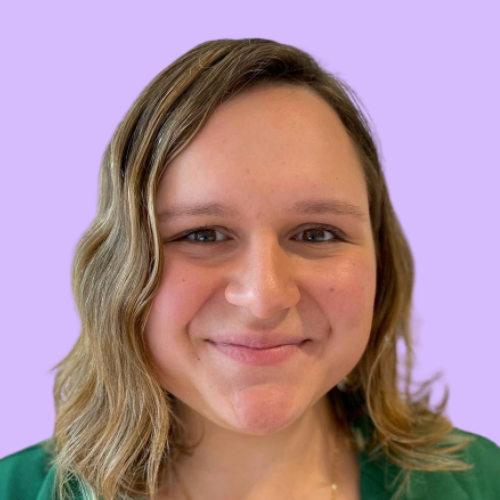
Daryna Skybina, MPS
Psilocybin-assisted therapy for advanced cancer trial participant, registered therapist (Canada, 2025)
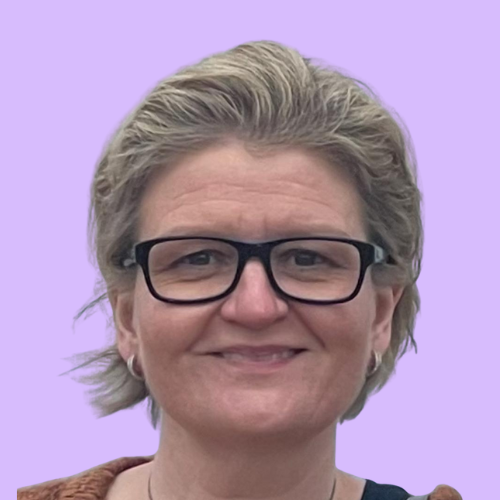
Jules Heighton
MDMA-assisted massed exposure therapy for PTSD, Phase 2 trial participant (open-label, U.S., 2025)
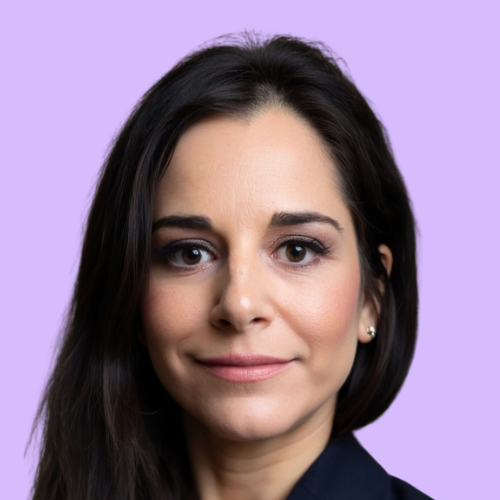
Heather Joy
Psilocybin for treatment-resistant depression, clinical trial participant (open-label, Canada, 2022)
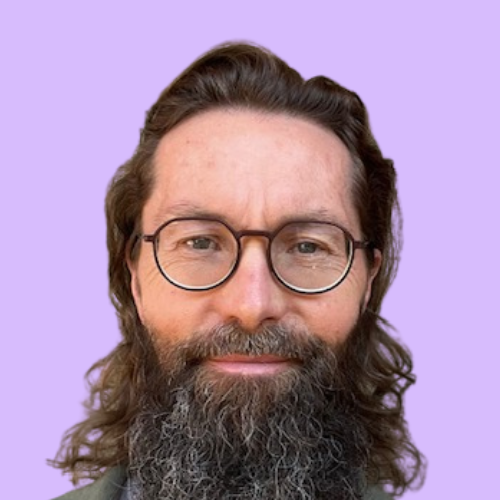
Frank Sers
MDMA and LSD assisted therapies for depression, compassionate use patient (Switzerland, 2022)
2025 clinical and scientific speakers
Leading clinicians and researchers in psychedelic science share insights on integrating lived experience to improve clinical trials, therapist training, and treatment outcomes.
NOTE: Speakers featured for expertise only; views/actions aren’t endorsed. Learn more ->
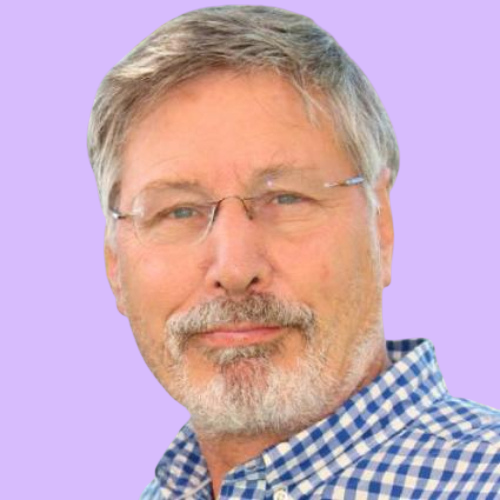
Bessel van der Kolk, MD
Psychiatrist, author of The Body Keeps the Score, and principal investigator for MDMA-assisted therapy for PTSD trials (U.S.)
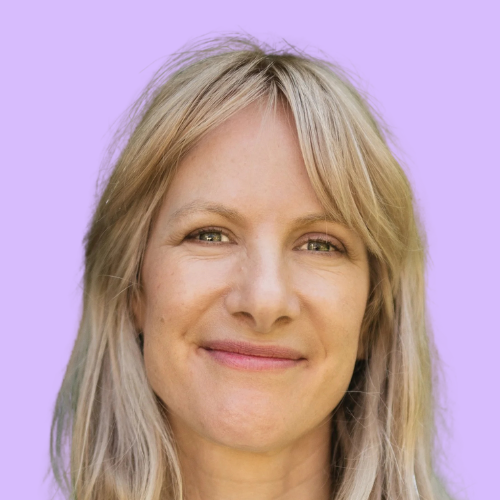
Rosalind Watts, PhD
Clinical psychologist, ACER Integration founder, and former psilocybin clinical lead at Imperial College London (UK)
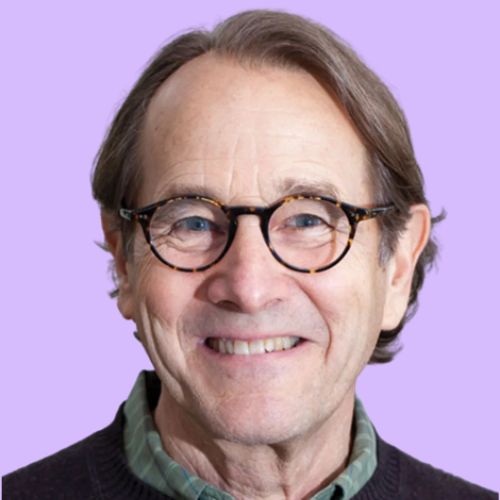
Michael Mithoefer, MD
Psychiatrist, clinical researcher, and medical monitor for MDMA-assisted psychotherapy for PTSD clinical trials (U.S.)
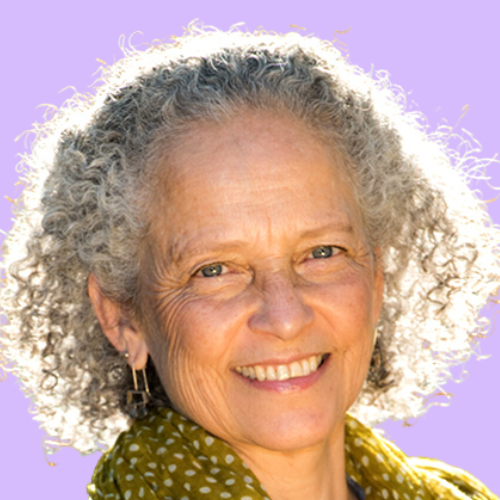
Marcela Ot’alora, MFA
Therapist, lead trainer, supervisor, and principal investigator for MDMA-assisted therapy for PTSD clinical trials (U.S.)
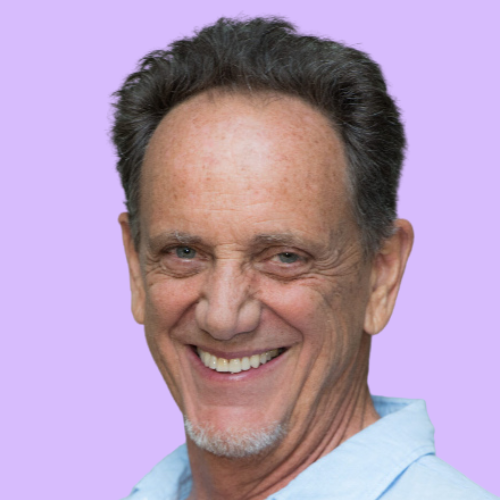
Bruce Poulter, RN, MPH
Therapist, lead trainer, supervisor, and sub-investigator for MDMA-assisted therapy for PTSD clinical trials (U.S.)
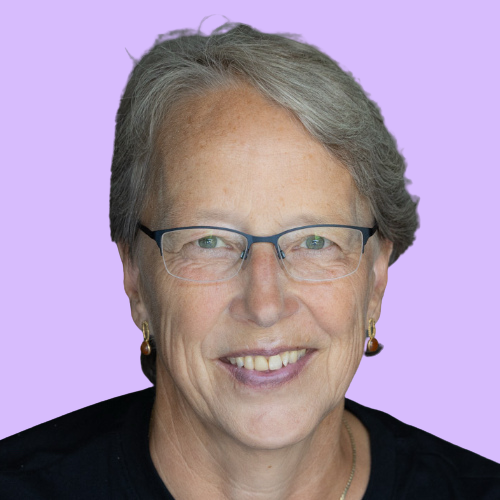
Corine de Boer, MD, PhD
Pediatrician, researcher, former Chief Medical Officer at Lykos/MAPS PBC, and founder & CEO at Tulip Medical Consulting (U.S.)
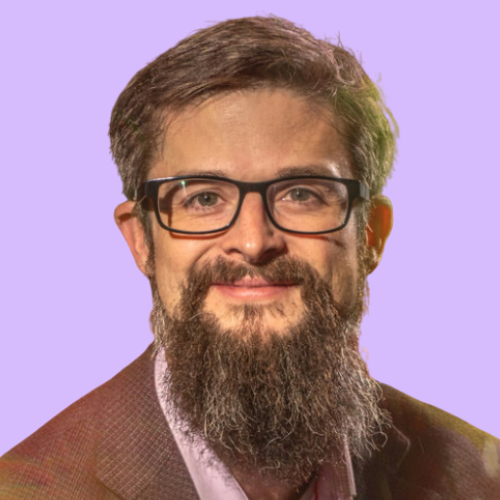
Matthew Johnson, PhD
Psychedelic researcher, experimental psychologist, senior investigator, and professor at Johns Hopkins School of Medicine (U.S.)
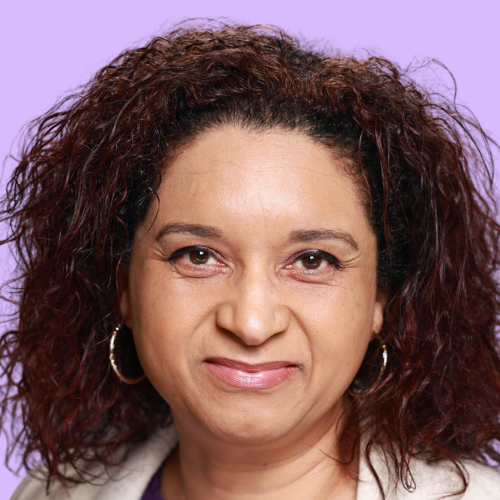
Monnica Williams, PhD
Clinical psychologist, researcher, and professor in the school of psychology at University of Ottawa (Canada)
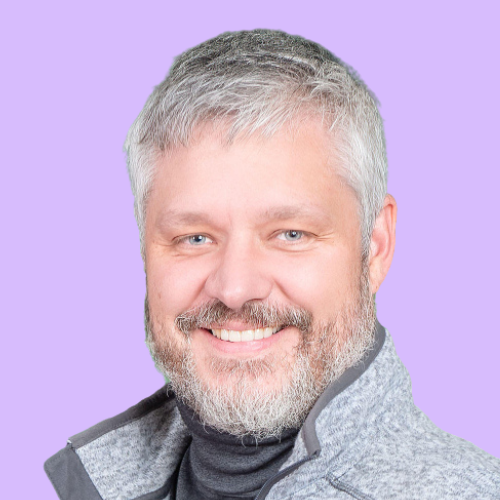
Jonathan Dickinson
Psychologist, renowned Ibogaine expert, published researcher, and CEO & co-founder at Ambio Life Sciences (Mexico/Canada)
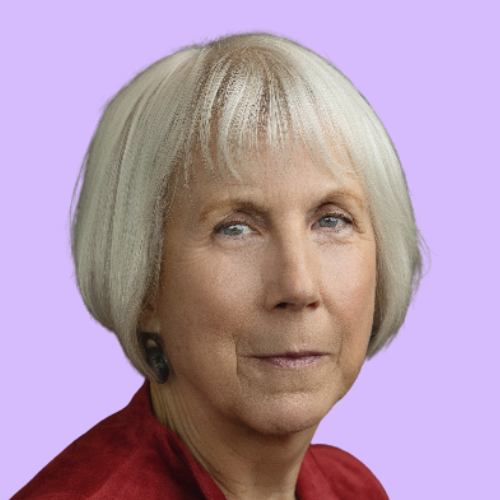
Janis Phelps, PhD
Clinical psychologist, founder and director of the CIIS Center for Psychedelic Therapies and Research (U.S.)
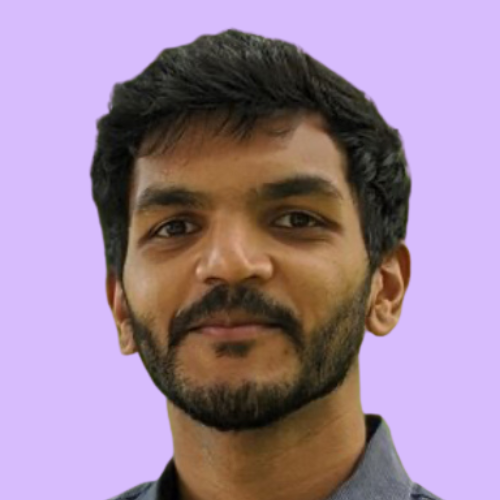
Sandeep Nayak, MD
Psychiatrist, psilocybin clinical researcher, and associate professor at Johns Hopkins University (U.S.)
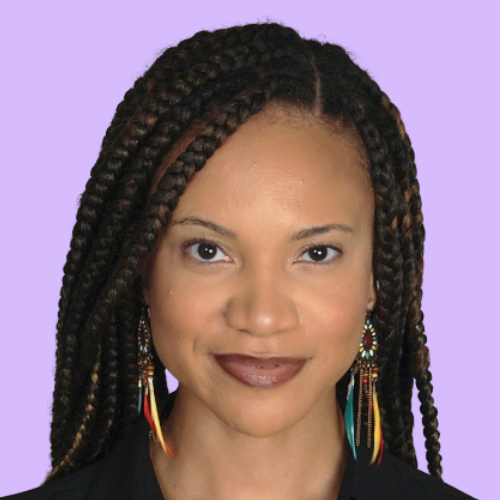
Sara Reed, MS
Marriage and family therapist, lead psychedelic clinical trial therapist at Imperial College London (UK)
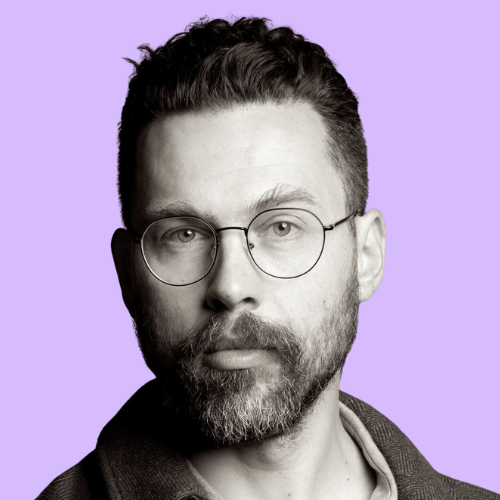
Paul Liknaitzky, PhD
Psychologist, clinical researcher and head of Clinical Psychedelic Lab at Monash University (Australia)
Devon Christie, MD
Family physician and therapeutic counsellor, investigator for Phase 3 MDMA-assisted therapy for PTSD trials (Canada)
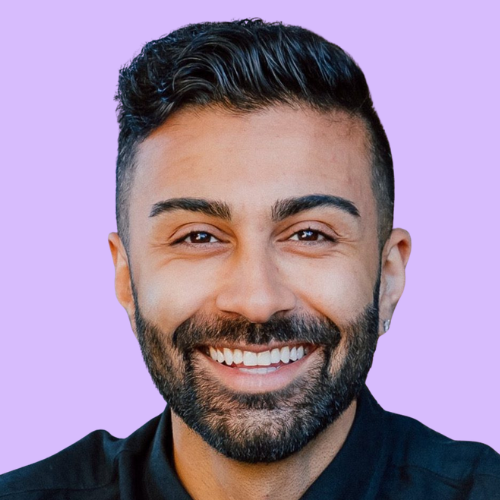
Manesh Girn, PhD
Neuroscientist, researcher at UCSF working with Robin Carhart-Harris, PhD on the impact of psychedelics on mental health (U.S.)
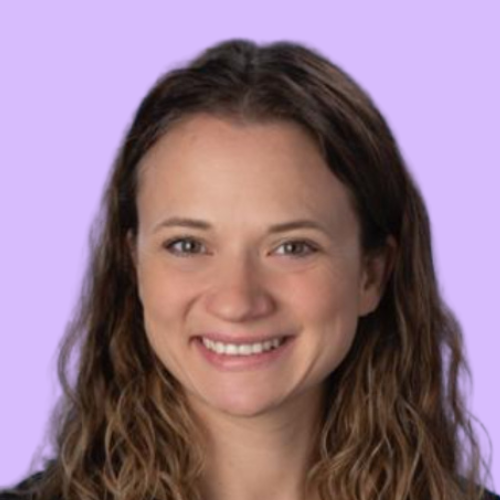
Emma Hapke, MD
Psychiatrist and clinical researcher for MDMA therapy for PTSD and psilocybin for advanced cancer trials (Canada)
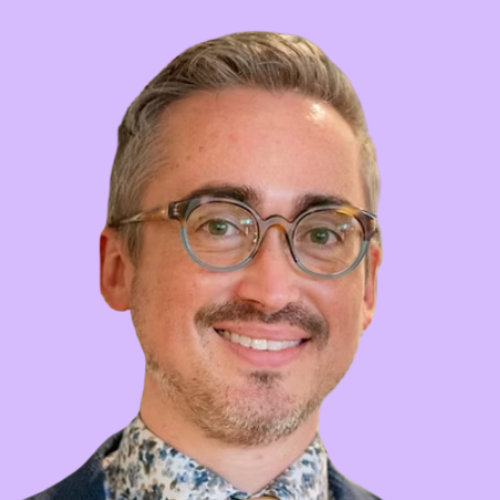
Chris Stauffer, MD
Psychiatrist and addiction medicine specialist, group MDMA therapy investigator for veterans with PTSD (U.S.)
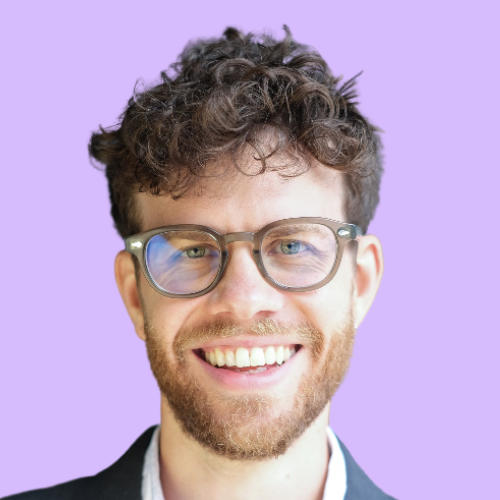
Simon Ruffell, MD, PhD
Psychiatrist, research psychologist with PhD in ayahuasca and mental health, lecturer at the University of Exeter (UK)
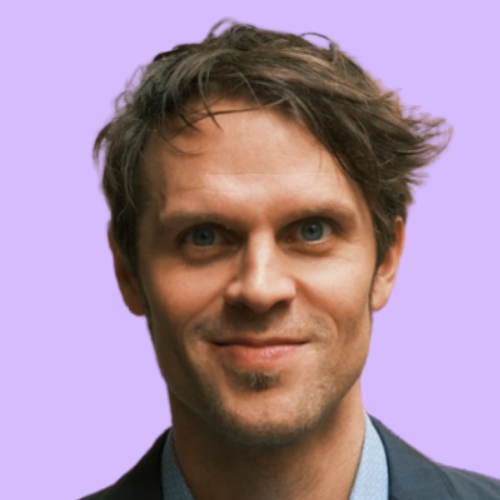
Joost Breeksema, PhD
Qualitative researcher in psychedelic trials and executive director of the OPEN Foundation (Netherlands)
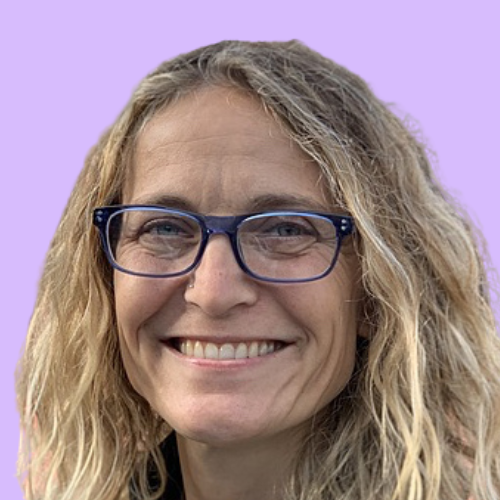
Pamela Kryskow, MD
Physician, board member of the Psychedelic Association of Canada and medical lead at the Roots to Thrive (Canada)
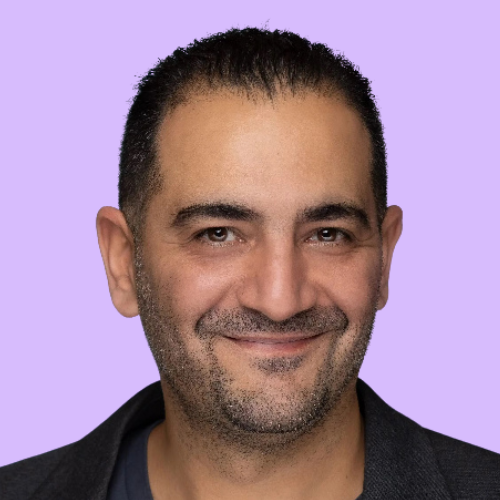
Houman Farzin, MD
Palliative care physician and psychedelic therapist specializing in psilocybin therapy for terminal illness (Canada)
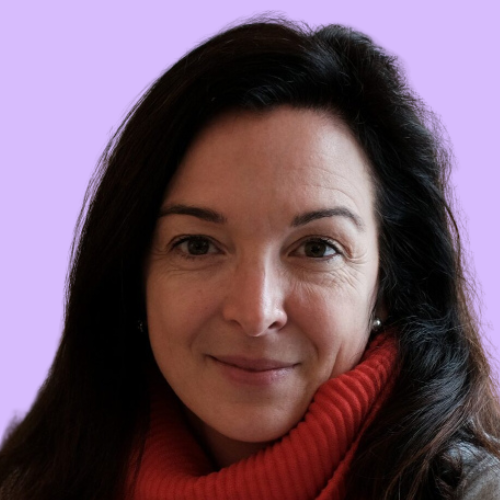
Julia King Olivier, MD
Psychiatrist, psychedelic therapist, and founder of the Compassionate Care Center in Geneva (Switzerland)
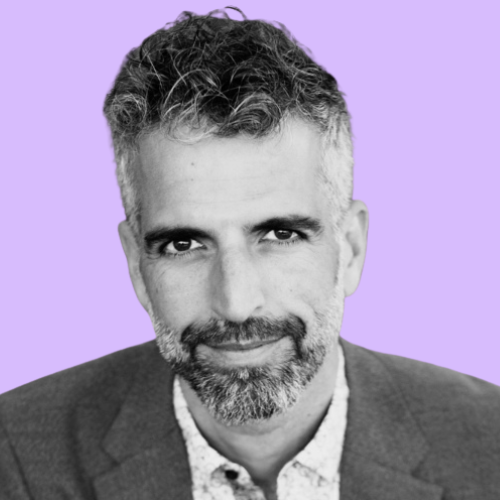
Simon Amar, MD
Psychiatrist, investigator for MDMA therapy for PTSD trials (Canada) and psilocybin for anxiety trials (Australia)
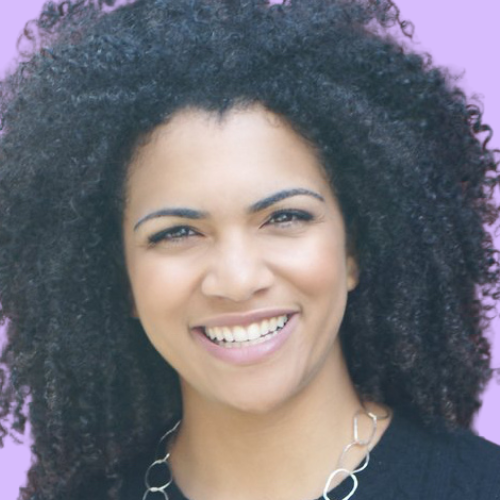
Shoshana Ward, RTC
Therapist specializing in medicine assisted therapy, clinic director & co-founder at Centre for Medicine Assisted Therapy (Canada)
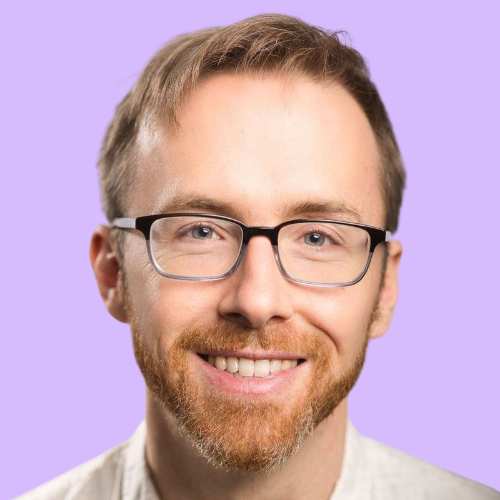
Bill Brennan, PhD
Psychologist, clinical researcher, psychedelic educator, author, and supervisor to therapists on clinical trials (U.S.)

Chloé Pronovost-Morgan, MD, MSc
Psychiatry resident and lead author on Delphi study for reporting of setting in psychedelic trials (Canada)
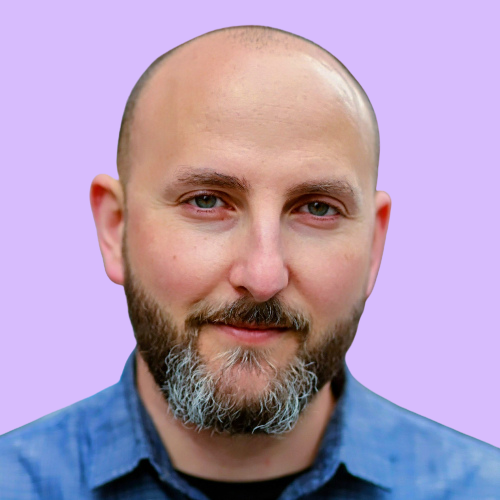
Will Barone, Psy.D
Clinical psychologist and qualitative researcher in MDMA therapy for terminal illness and studies with psilocybin & ketamine (U.S.)
"Research leads to meaningful healing when it’s done with people, not just on them. When lived experience informs how studies are designed, conducted, and understood, research becomes more than data generation, it becomes a compass for healthcare transformation." – Pedram Dara
Invite your colleagues and friends
Share this event with your network and join together in shaping the future of patient-centered psychedelic care.
Frequently Asked Questions
The Psychedelic Lived Experiences Summit runs from November 20th to November 22nd, 2026. Live programming: 11:00 AM–6:00 PM EST / 8:00 AM–3:00 PM PST / 5:00 PM–12:00 AM CET
Yes, all sessions will be recorded. You'll get unlimited 1-year access to all the recordings, plus other exclusive perks we'll announce soon.
If you’ve checked all your inbox folders (including spam, junk, and promotions) and still don’t see the email, please reach out to us. We’re happy to help! >>> contact@psychedeliclivedexperiences.com